
The Miracle of the Vagus Nerve: The Hidden Key to Stress Regulation
Explore the invisible bridge between breath, nervous-system balance and well-being.
🫁 Breath & Nervous System • Read time: approx. 7 min
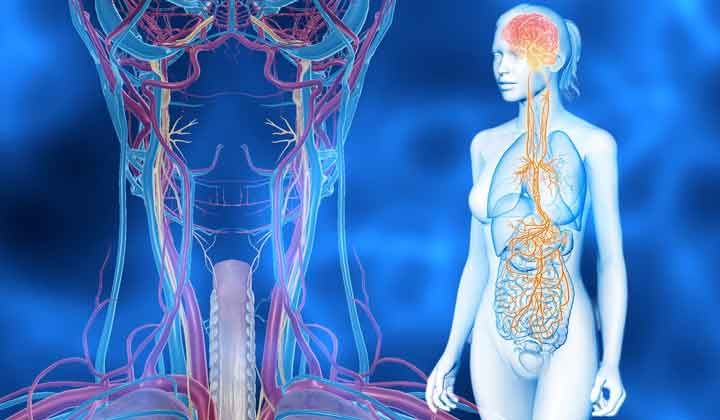
Have you ever heard of the vagus nerve? It’s one of the body’s most important nerves - a silent guardian of balance, rest, and inner harmony. Many scientists now consider it a critical factor in our well-being, mental calm and overall health.
The vagus nerve serves as the main highway of the parasympathetic nervous system, the system responsible for “rest & digest.” It regulates breath, heart rate, digestion, immune response and helps maintain physiological balance across body and mind.
Where Is the Vagus Nerve and What Does It Do?
The vagus nerve (the tenth cranial nerve, CN X) extends from the brain stem down through the neck, chest, heart, lungs and all the way to the digestive tract — reaching even the intestines. That’s why it’s often called the “wandering nerve.”
With both sensory and motor fibers, the vagus nerve carries messages from internal organs to the brain, and sends regulatory signals back. This bidirectional flow manages essential functions like heart rate, breathing, digestion, immune response, even inflammation control.
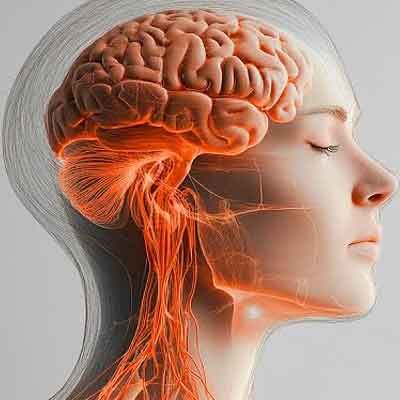
What Happens to the Vagus During Stress?
Everyday stress - from heavy workloads, emotional pressure or constant stimulation - triggers the sympathetic nervous system (“fight or flight”). As a result:
- Heart rate increases
- Breathing becomes shallow and rapid
- Digestion slows or stops
- Mental focus shifts to survival mode
In this state, vagal activity is suppressed - the nervous system loses balance, affecting not only physiology but also mood, immune function and long-term health. Chronic suppression can contribute to fatigue, digestive issues, cardio-metabolic stress, and emotional instability.
Reactivating the vagus nerve through intentional practices helps restore balance: breathing slows, digestion resumes, heart rate stabilizes, and body–mind synergy returns.
Vagal Tone & Heart Rate Variability (HRV)
Heart Rate Variability (HRV) - the variation in time intervals between heartbeats - is a key indicator of autonomic nervous system balance. A strong, healthy vagus nerve supports higher HRV, reflecting better adaptability, resilience to stress, and overall physiological flexibility.
High HRV is linked with good cardiovascular health, efficient digestion, emotional stability, robust immune response and better stress management. On the contrary, low HRV often correlates with chronic stress, inflammation and reduced wellbeing.
Vagus Nerve, Emotions & Social Connection
The vagus nerve is not only physiological - it also supports our emotional and social well-being. A healthy vagal tone helps:
- Enhance empathy and social bonding
- Support emotional regulation and calmness
- Promote mental clarity and balanced decision-making
- Facilitate stable mood and resilience in everyday challenges
On the other hand, low vagal tone and chronic dysregulation have been associated with increased stress reactivity, mood disorders, anxiety and reduced emotional resilience.
How to Naturally Stimulate & Strengthen Your Vagus Nerve
Daily lifestyle and mindful practices can help keep your vagal tone active. Here are practical ways:
- Deep diaphragmatic breathing & pranayama exercises (slow nasal breathing)
- Meditation, mindfulness, soft humming (“ommm”, “hummm”)
- Gentle yoga, tai-chi, qi-gong or stretching - especially poses or movements with breath awareness
- Cold face splash or cold exposure (if appropriate), or other mild vagal maneuvers
- Laughter, singing, vocal toning or chanting
- Mindful eating, good posture and regular movement
- Creating routines that allow rest, social connection and emotional expression
These simple practices - many requiring only a few minutes a day - can profoundly influence your nervous system, reduce stress, and support long-term physical and mental balance.
Conclusion: The Vagus Nerve as a Silent Hero of Well-being
The vagus nerve is not just another nerve - it’s a major regulator of our nervous system, bridging the brain to body, balancing physiology, emotions and cognition.
By caring for our nervous system through breath, movement and mindful living, we can support vagal tone, enhance resilience and embrace a more balanced, conscious and healthy life.
Frequently Asked Questions
What is the vagus nerve and why is it called “the happiness nerve”?
The vagus nerve is the main nerve of the parasympathetic nervous system, connecting the brain stem to the heart, lungs and digestive organs. Because it regulates heart rate, digestion, rest and stress responses - all key for calm and well-being - many wellness experts refer to it as “the happiness nerve.”
How does stress affect the vagus nerve?
Under chronic stress, the sympathetic nervous system dominates. This suppresses the activity of the vagus nerve, increasing heart rate, quickening breathing, and impairing digestion and rest - leading over time to fatigue, inflammation or emotional imbalance.
Can we naturally support vagus nerve health without devices?
Yes. Simple, non-invasive practices like deep diaphragmatic breathing, gentle yoga, meditation, humming, laughter or mindful cold exposure can activate and strengthen vagal tone - promoting relaxation, better digestion and emotional balance.
What is HRV and why does it matter?
HRV (Heart Rate Variability) measures the variation in time intervals between heartbeats. Higher HRV often indicates a calm, responsive nervous system and strong vagal tone. It’s associated with better stress resilience, emotional balance and overall health.